
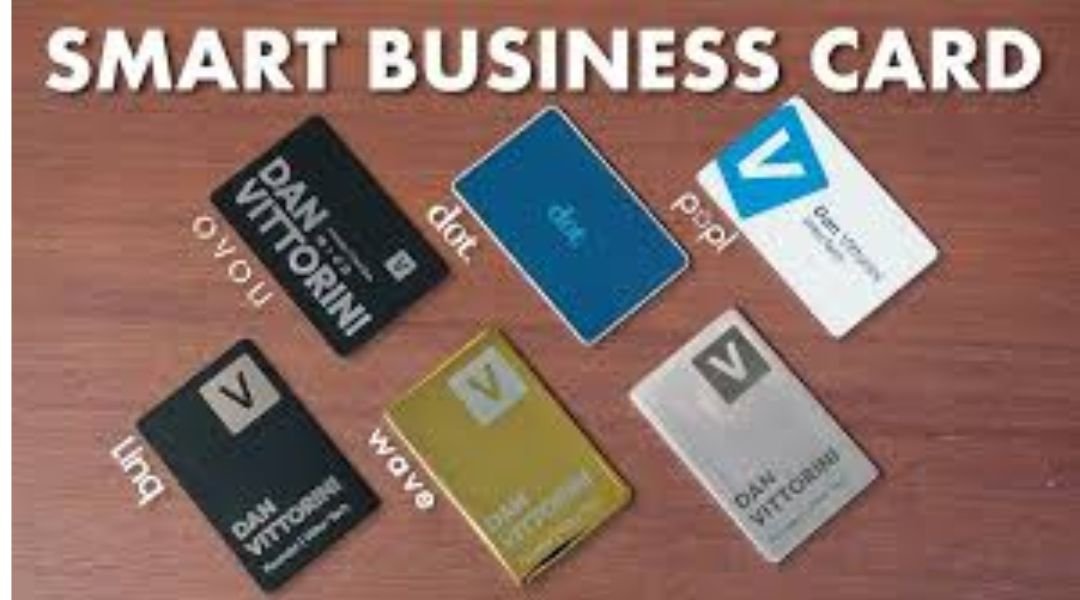
In today’s fast-paced world, professionals seek efficient ways to connect. The linq business card stands out as a game-changer. This innovative product blends technology with traditional networking. It lets users share details instantly without paper clutter. Businesses and individuals alike adopt it for its ease and impact.
Networking has evolved. Gone are the days of fumbling for paper cards that often get lost. Now, digital solutions dominate. The linq business card leads this shift. It uses NFC technology and QR codes for quick shares. Users tap their card on a phone, and contact info transfers seamlessly. This saves time and reduces waste.
Experts praise its features. From customizable profiles to lead tracking, it offers more than basic contact exchange. Companies use it to streamline sales and build relationships. Individuals find it handy for events and meetings. As we dive deeper, you’ll see why the linq business card ranks high in modern tools.
The History of Business Cards and the Rise of Digital Alternatives
Business cards trace back centuries. In ancient China, visiting cards announced arrivals. By the 17th century, Europe used them for social calls. They evolved into trade cards for merchants. In the 19th century, they became standard for professionals.
Paper cards dominated the 20th century. They carried names, titles, and contacts. Designs grew elaborate with logos and colors. Yet, they had limits. Cards piled up, got misplaced, or outdated quickly. Printing costs added up, and environmental concerns rose.
The digital era changed everything. Email and social media offered new ways to connect. Apps like LinkedIn digitized profiles. But they lacked the personal touch of handing a card. Enter digital business cards. These virtual versions store on phones or clouds. Users share links via text or email.
The linq business card builds on this trend. Launched by Linq, it combines physical and digital elements. Founded in recent years, Linq aimed to modernize networking. Their app and products gained traction fast. By 2026, over a million users rely on it. Statistics show digital cards cut paper use by 90% in adopting firms. They also boost follow-up rates by 40%, per industry reports.
Why the shift? Convenience drives it. People carry phones everywhere. A tap shares info without typing. It updates in real-time – change a number, and all shares reflect it. No reprints needed. This reassures users their info stays current.
What Is a Linq Business Card?
A linq business card is a smart, NFC-enabled card paired with a mobile app. It looks like a traditional card but packs tech. Made from durable materials like metal or PVC, it withstands daily use. Users customize it with engravings or designs.
The core feature? NFC technology. Near Field Communication lets devices talk when close. Tap the card on a compatible phone, and a profile opens. This profile holds contacts, links, photos, and videos. No app needed for recipients – it works via browser.
QR codes add versatility. Scan it for the same effect. This suits non-NFC devices. The app, available on iOS and Android, manages everything. Create profiles for different contexts, like work or personal.
Linq offers various products. Basic cards start affordable. Premium ones include laser engraving. Teams get custom options with branding. Pricing varies – check Linq’s pricing page for details. A monthly plan unlocks advanced features.
Benefits abound. It integrates with CRMs like Salesforce. Track leads and notes. Scan paper cards to digitize them. This builds a digital rolodex. Reviews highlight its reliability. One user said, “It transformed my networking – no more lost cards.”
Key Features of the Linq Business Card
The linq business card shines through its features. Let’s break them down.
1. Customizable Profiles Users design profiles with ease. Add name, title, company, and photo. Include social links, websites, or videos. Switch profiles for events – one for sales, another for conferences.
2. Sharing Options Share via NFC tap, QR scan, text, or email. Recipients save details to contacts instantly. This beats typing errors.
3. Lead Management Act as a mini-CRM. Tag leads, add notes, set reminders. Sync with tools like HubSpot. Track interactions for follow-ups.
4. Business Card Scanner Scan physical cards with the app. It reads text and saves digitally. No more stacks of cards.
5. Analytics See who viewed your profile and when. Measure engagement. This helps refine approaches.
6. Team Features For businesses, manage team cards centrally. Ensure branding consistency. Onboard new members quickly.
These features make the linq business card versatile. Compared to alternatives, it excels in integration. For instance, while some cards offer basic sharing, Linq adds CRM depth.
Benefits of Using a Linq Business Card
Switching to a linq business card brings clear advantages. First, it saves money. No recurring print costs. One card lasts years. Environmentally, it cuts paper waste. Stats show billions of paper cards end in landfills annually.
Professionally, it impresses. A tap shows tech-savvy. Recipients remember innovative shares. Follow-ups rise since details save easily.
For sales teams, it’s a boon. Track leads in real-time. Integrate with pipelines. One case: A real estate agent closed 20% more deals post-adoption.
Personally, it simplifies life. Freelancers share portfolios via links. Event attendees connect fast. Security adds reassurance – control what shares.
Drawbacks? NFC needs compatible phones. Older models might use QR only. Subscription for full features costs extra. Yet, benefits outweigh these for most.
How to Set Up Your Linq Business Card
Getting started is simple. Follow these steps.
1. Download the App Grab it from the App Store. It’s free to start.
2. Create an Account Sign up with email or social. Verify for security.
3. Design Your Profile Fill details. Upload photo, add links. Customize theme.
4. Purchase a Card Order from Linq’s site. Choose material and design.
5. Activate the Card Link it to your profile via app. Test with a tap.
6. Start Sharing Tap or scan at meetings. Track via dashboard.
Tips: Update regularly. Use high-quality photos. Test on devices.
Comparing Linq Business Card to Alternatives
The market offers rivals. Let’s compare.
V1CE vs. Linq V1CE focuses on premium materials. Linq wins on CRM integration. Reviews note Linq’s app as more intuitive.
Popl vs. Linq Popl emphasizes analytics. Linq offers better scanning. Both use NFC, but Linq’s team tools stand out.
Blinq vs. Linq Blinq is app-only, no physical card. Linq provides tangible feel. For hybrids, Linq edges ahead.
HiHello vs. Linq HiHello suits solos. Linq scales for teams. Integration depth favors Linq.
Alternatives like QRCodeChimp focus on codes. Linq combines NFC and QR. Per G2 reviews, Linq scores high on usability.
Why choose linq business card? Its balance of features and price. For Singapore users, check local options like Linq Smart NFC Card.
User Reviews and Case Studies
Reviews glow for the linq business card. On G2, it earns praise for streamlining contacts. One reviewer: “It reduces entry time hugely.”
App Store rates 4.9/5 from 12K users. Positives: Fast support, quality cards. A nonprofit user built partnerships easier. Negatives: Subscription changes irked some, but resolutions were quick.
Case study: A marketing firm adopted Linq. Lead capture rose 30%. They integrated with Salesforce for seamless flows.
Another: A freelancer at conferences. Connections tripled. “It’s reassuring knowing my info shares perfectly,” they said.
From YouTube reviews, users ditch paper forever. “Better than expected,” one video claims.
The Future of Networking with Linq Business Card
Networking heads digital. AR and VR may integrate. Linq positions well with updates.
By 2030, digital cards could dominate 70% of exchanges, per forecasts. Linq invests in AI for smarter leads.
Challenges? Privacy concerns. Linq addresses with controls. Adoption grows as tech spreads.
For businesses, it’s essential. Stay competitive with tools like this.
Integrating Linq Business Card into Your Daily Routine
Make it habit. Carry the card always. Practice taps.
At meetings: Share first. Follow up via app notes.
For teams: Train on features. Use analytics for insights.
Link to LinkedIn for depth. Add calendars for scheduling.
This integration reassures smooth operations.
Environmental Impact of Switching to Digital
Paper cards harm the planet. Billions printed yearly use trees and water.
Linq business card cuts this. One card replaces thousands. Users report greener practices.
Companies tout sustainability. It aligns with ESG goals.
Stats: Digital shifts save 10,000 trees annually for mid-sized firms.
Customization Options for Linq Business Card
Personalize fully. Choose metals like aluminum or brass. Engrave logos.
Colors and finishes vary. Add QR visibly.
App lets theme profiles. Match brand colors.
For teams, bulk custom. Ensures unity.
This flexibility helps stand out.
Security Features in Linq Business Card
Data safety matters. Linq uses encryption.
Control shares – revoke access if needed.
No personal data on card itself. Just links to profile.
App requires login. Two-factor available.
This reassures users in data-sensitive fields.
Pricing and Subscription Models
Linq offers tiers. Basic free for app use.
Pro: $4.99/month – unlocks scans, integrations.
Pro Plus: $19/month – advanced analytics.
Annual saves money. Trials let test.
Cards: From $20 for basic. Premium $50+.
Value shines for frequent networkers.
Troubleshooting Common Issues
App not loading? Restart device.
NFC fail? Check phone settings.
Profile not updating? Sync app.
Support responds fast. FAQs help.
This keeps things smooth.
Linq Business Card for Different Industries
Sales: Track leads efficiently.
Real Estate: Share listings via links.
Healthcare: Quick contact for referrals.
Education: Connect with students/parents.
Tech: Showcase portfolios.
Versatile across fields.
Tips for Maximizing Your Linq Business Card
1. Keep Profile Fresh Update monthly.
2. Use Multimedia Add videos for impact.
3. Analyze Data Review views weekly.
4. Network Actively Attend events with card ready.
5. Integrate Tools Link CRM early.
These tips boost results.
The Role of NFC Technology in Modern Business Cards
NFC powers the linq business card. It enables contactless shares.
Developed in 2000s, it’s in phones, payments.
Benefits: Fast, secure, no battery needed for card.
Future: Wider adoption as devices upgrade.
How Linq Supports Team Collaboration
Central dashboard manages profiles.
Onboard new hires fast.
Share templates.
Track team performance.
This fosters unity.
Global Adoption of Digital Business Cards
In Asia, like Singapore, NFC thrives.
Europe emphasizes eco-friendliness.
US focuses on tech integration.
Linq expands globally.
Potential Drawbacks and How to Overcome Them
Subscription cost: Start with free tier.
Device compatibility: Use QR backup.
Learning curve: App tutorials help.
Overcome with practice.
Advanced Features: CRM Integrations Explained
Sync with Salesforce: Auto-add leads.
HubSpot: Tag interactions.
This automates workflows.
Saves hours weekly.
User Testimonials: Real Stories
“I closed deals faster,” says a salesperson.
“Eco-friendly and professional,” notes an executive.
These stories inspire.
Linq Business Card vs. Traditional Paper Cards
Paper: Cheap initial, but wasteful.
Linq: Upfront cost, long-term savings.
Impression: Linq wows with tech.
Maintaining Your Linq Business Card
Clean gently. Avoid magnets.
App updates automatic.
Lasts years with care.
The App Ecosystem: Beyond the Card
App stands alone for digital shares.
But card adds physical presence.
Together, unbeatable.
Educational Resources for Linq Users
Blog on site covers tips.
Videos on YouTube.
Community forums.
Learn more via press resources.
Scaling Your Networking Strategy with Linq
Start small, expand.
Measure ROI via analytics.
Adjust based on data.
Grows with you.
FAQs About Linq Business Card
What is the linq business card? A digital tool for sharing contacts via NFC or QR.
How much does it cost? Cards from $20, subs $5/month up.
Does it work without internet? NFC tap yes, but profile load needs data.
Can I customize it? Yes, engravings and designs.
Is it secure? Encrypted with controls.
Conclusion
The linq business card redefines networking. It offers seamless shares, CRM tools, and eco-benefits. From features to integrations, it empowers professionals. Adopt it for efficient connections in 2026.
What are your thoughts on switching to a linq business card?