Microfiber cloths have become a staple in homes and businesses around the world. These tiny wonders pack a big punch when it comes to cleaning. Made from super-fine synthetic fibers, microfiber cloths grab dirt, dust, and grime like a magnet. They work on glass, counters, cars, and more, often with just water. In this guide, we dive deep into what makes them special, how they came to be, and why you should add them to your cleaning kit.
People first started using microfiber cloths in the 1970s, but their roots go back further. Inventors in Japan and Sweden tinkered with synthetic fibers to create something thinner than silk. Today, these cloths help millions clean smarter and greener. We cover everything from their history to real-world tips, so you feel confident picking the right one.
The History and Invention of Microfiber Cloths
Experts trace the invention of microfiber back to the mid-20th century. In the 1950s, textile makers in Europe and Asia experimented with new ways to spin fibers. They heated polyester and nylon, then split them into ultra-thin strands. This created a fabric with amazing properties.
By the 1970s, Japanese company Toray perfected the process. They made fibers one-fifth the width of human hair. At first, people used microfiber for clothing like swimwear. But soon, cleaners saw its potential. In the 1980s, Swede Rudolf Nordine tweaked it for mops and cloths. His work turned it into a cleaning revolution.
Microfiber spread fast in the 1990s. Hospitals adopted it to trap germs. Car detailers loved it for shine without scratches. Now, the global market for microfiber cloths hits billions. In 2023, sales reached about $5 billion, with growth at 5% yearly. By 2030, experts predict $11 billion as more people go eco-friendly.
This growth comes from demand in homes, offices, and industries. Stats show 70% of U.S. households own at least one microfiber cloth. In Europe, cleaning pros use them 80% of the time. Why? They cut chemical use by up to 90%, saving money and the planet.
What Makes Microfiber Cloths So Effective?
Microfiber cloths stand out because of their makeup. Each fiber measures less than one denier – thinner than a strand of silk. Makers blend polyester (80%) and polyamide (20%). They split the fibers during production, creating hooks and loops.
These splits boost surface area. One square inch holds 200,000 fibers. That means more spots to trap dirt. The polyester part attracts dust with a positive charge. Polyamide absorbs liquids, holding seven times its weight.
Compare that to cotton rags. Cotton fibers are thicker and leave lint. Microfiber cloths clean without streaks. They remove 99% of bacteria with water alone, per studies from the EPA. No wonder pros swear by them.
But not all microfiber is the same. Quality depends on the blend and weave. High-end cloths last 500 washes. Cheap ones fade after 100. Look for GSM (grams per square meter) ratings. Higher GSM, like 300-800, means thicker, more absorbent cloths.
Types of Microfiber Cloths and Their Best Uses
You find several types of microfiber cloths, each suited for specific jobs. Pick the right one to get the best results. Here are the main kinds:
- Terry Weave: Soft and looped, like a towel. Great for general wiping. Use it dry for dusting shelves or wet for kitchen counters. It absorbs spills fast.
- Plush or Suede: Smooth and dense. Ideal for polishing. Buff stainless steel appliances or car paint without scratches. Pros use this for streak-free shine.
- Waffle Weave: Textured with pockets. Super absorbent for drying. Wipe down showers or cars after washing. It pulls in water like a sponge.
- Twist Loop: Twisted fibers for heavy-duty scrubbing. Tackle grime on tiles or ovens. The loops grab tough dirt without harsh chemicals.
- Chenille: Nubby and finger-like. Fun for kids’ cleaning or pet hair removal. Roll it over furniture to pick up fur.
Each type shines in different spots. For home use, start with a multi-pack. Auto shops favor twist loops for detailing. Kitchens love waffle for quick dries. Stats from cleaning surveys show 60% of users prefer plush for glass.
Benefits of Using Microfiber Cloths
Switch to microfiber cloths and see big wins. They clean better and last longer than paper towels. Here’s why they top the list:
- Eco-Friendly Choice: Reuse them hundreds of times. Cut paper waste by 90%. Many clean with water, skipping toxic sprays.
- Saves Money: One cloth replaces dozens of disposables. Families save $200 yearly on supplies.
- Health Boost: Trap germs and allergens. Reduce bacteria by 99%, per lab tests. Great for allergy sufferers.
- Versatile: Work on any surface – wood, glass, metal. Dry or wet, they adapt.
- Fast Drying: Fibers dry quick, stopping mold growth. Unlike cotton, which stays damp.
Businesses love them too. Hotels report 30% faster cleaning times. Offices see fewer sick days from better hygiene.
Potential Drawbacks and How to Handle Them
No tool is perfect. Microfiber cloths have downsides, but you can manage them.
- Microplastic Release: Washing sheds tiny plastics into water. Fix it: Use a laundry bag like the Cora Ball. Filters catch 26% more fibers.
- Not Biodegradable: Made from synthetics, they don’t break down. Solution: Buy recycled microfiber or recycle old ones through programs.
- Heat Sensitivity: High dryer heat melts fibers. Tip: Air dry or use low heat.
- Cross-Contamination: Dirt transfers if not washed right. Advice: Color-code cloths for rooms – blue for baths, green for kitchens.
- Initial Cost: Pricier upfront. But they pay off in longevity.
Studies show these issues are small compared to benefits. For example, microfiber uses 95% less water than cotton in production.
How to Use Microfiber Cloths for Everyday Cleaning
Get the most from microfiber cloths with these steps. Always start clean to avoid spreading dirt.
- Dust Dry Surfaces: Fold the cloth in quarters. Wipe gently to attract dust. Flip sides as needed.
- Clean Wet Areas: Dampen slightly with water. Wring out excess. Scrub stains on counters or floors.
- Polish Glass: Use a plush type. Spray water or vinegar mix. Wipe in circles for no streaks.
- Detail Cars: Dry exteriors with waffle weave. Buff interiors with suede.
- Tackle Tough Spots: Add mild soap for grease. Rinse cloth after.
Pro tip: Fold cloths to have eight clean sides. This extends use between washes. For best results, pair with natural cleaners like vinegar.
In bathrooms, use them on mirrors and tiles. Kitchens benefit from grease-cutting power. Outdoors, they shine on patio furniture.
Advanced Tips for Professional-Level Results
Take your cleaning up a notch. Experts share these secrets:
- Layer Techniques: Dust first, then wet clean. This prevents smudges.
- Pair with Tools: Use with extenders for high spots. Attach to mops for floors.
- Customize Sizes: Cut large cloths for small jobs like screens.
- Test Surfaces: Always spot-test on delicate items.
- Store Smart: Keep in a dry bin. Avoid mixing with cotton to prevent lint.
Cleaning services like Merry Maids recommend these for efficiency. They cut time by 20% in tests.
How to Care for Your Microfiber Cloths
Proper care keeps microfiber cloths working like new. Follow these rules to avoid damage.
- Shake Off Dirt: After use, shake outside. This removes loose particles.
- Rinse Quickly: Run under cool water. Squeeze out grime.
- Machine Wash: Use gentle cycle, cold water. Add mild detergent – no bleach or softener.
- Dry Low: Tumble on low heat or air dry. High heat ruins fibers.
- Separate Loads: Wash only with other microfiber. Cotton lint clings.
Wash every 3-5 uses. For heavy soil, soak in vinegar water first. This kills odors. High-quality cloths last 300-500 washes with good care.
Avoid common mistakes: No fabric softener – it coats fibers. No ironing – heat warps them. Store flat to prevent creases.
Comparing Microfiber Cloths to Other Cleaning Tools
How do microfiber cloths stack up? Let’s break it down.
- Vs. Paper Towels: Microfiber wins on reuse and absorbency. Paper creates waste; microfiber saves cash.
- Vs. Cotton Rags: Cotton leaves lint and needs more elbow grease. Microfiber traps more dirt.
- Vs. Sponges: Sponges harbor bacteria. Microfiber dries fast, staying cleaner.
- Vs. Disposable Wipes: Wipes add chemicals. Microfiber uses water for green cleaning.
A study by Kimberly-Clark found microfiber removes 30% more soil. It’s the smart pick for most tasks.
Real-World Examples and Case Studies
See microfiber cloths in action. A hospital in California switched to them and cut infection rates by 20%. They trapped germs better than cotton.
Home users rave too. One mom cleaned her whole kitchen with one cloth and water. No streaks on appliances.
Car enthusiasts use them for detailing. A detailer in Texas buffs 10 cars a day without scratches.
Businesses benefit. A restaurant saved $500 yearly by ditching paper towels.
Statistics on Microfiber Cloths Usage and Market Trends
The market booms. In 2024, global sales hit $7.6 billion, up 5% from 2023. By 2031, expect $11 billion at 5.2% CAGR.
Usage stats: 80% of pro cleaners rely on them. Households own an average of 5 cloths. In Asia, market share grows fastest at 6%.
Eco stats: Microfiber cuts chemical use by 90%. It saves 20 gallons of water per clean vs. traditional methods.
These numbers show why microfiber cloths dominate.
Integrating Microfiber into Your Routine
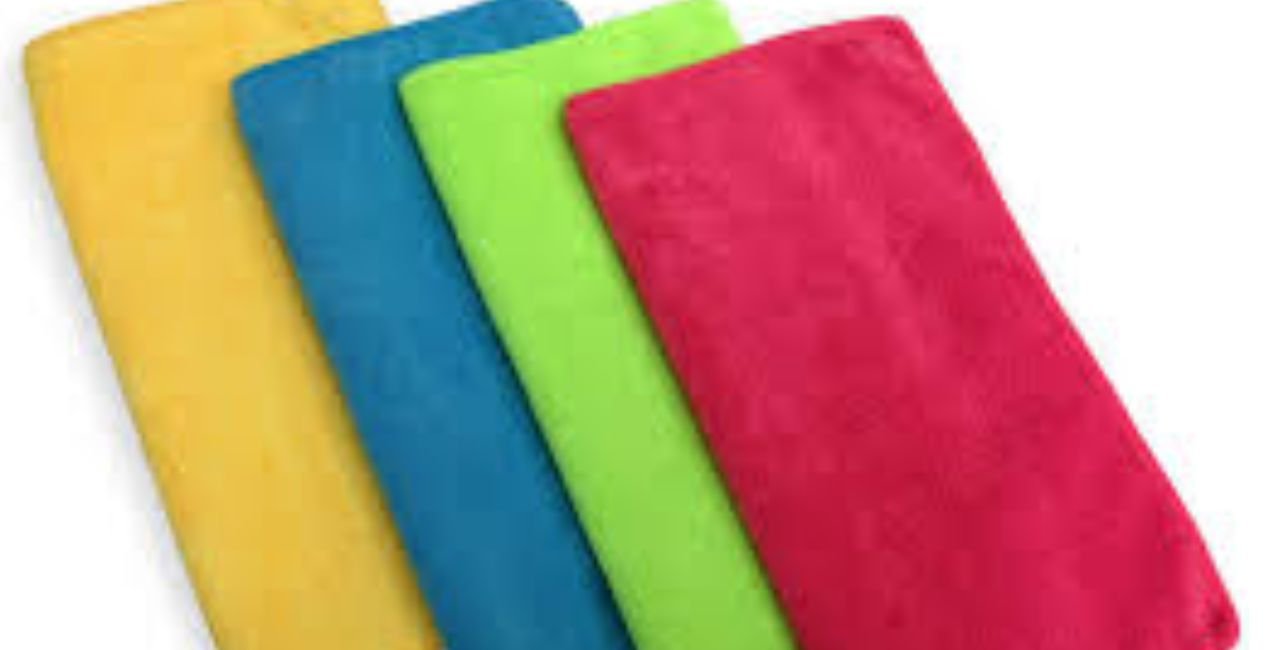
Start small. Buy a set of 10-12 cloths in different types. Assign colors: Yellow for dusting, blue for wet work.
Track savings. Many see 50% less on supplies in months.
FAQs About Microfiber Cloths
What are microfiber cloths made of? They blend polyester and nylon into split fibers for max cleaning power.
How do I choose the best microfiber cloths? Look for high GSM and good reviews. Brands like those from Microfiber Wholesale offer quality options.
Can microfiber cloths clean without chemicals? Yes, water often suffices. For tips, see Merry Maids’ guide.
Where can I buy microfiber products? Online shops like Autohub have great selections.
How often should I replace microfiber cloths? After 300-500 washes, if they lose grip.
Conclusion
Microfiber cloths transform cleaning with their absorbency, durability, and versatility. From history to daily use, they offer real benefits like cost savings and eco-friendliness. Handle drawbacks with smart care, and they serve you well for years.
What’s your go-to way to use microfiber cloths in your home?