
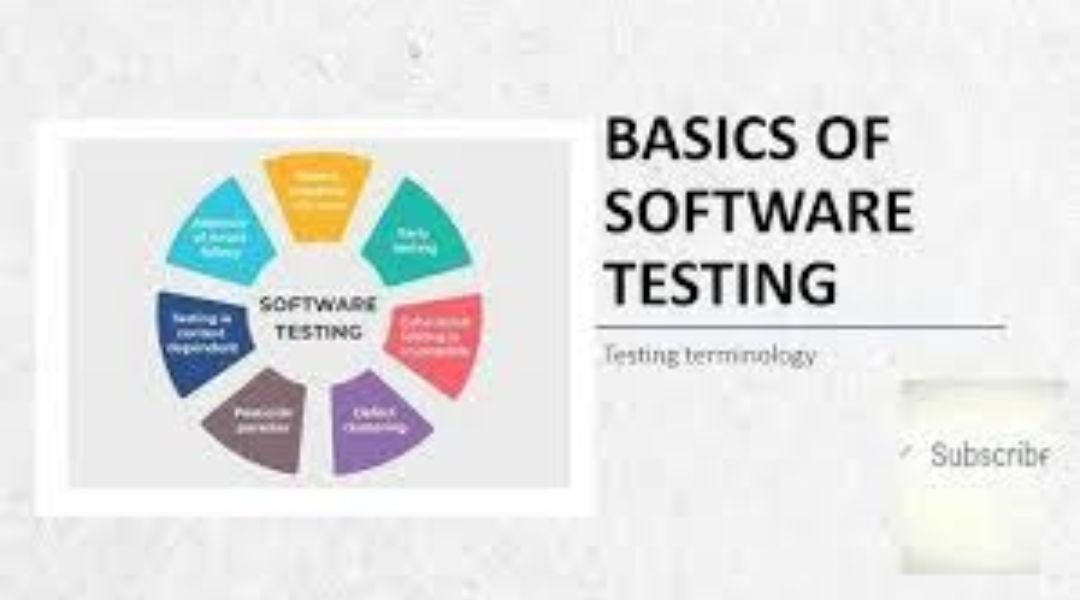
The article is a comprehensive, beginner-friendly guide to software testing basics. It draws from established concepts like definitions, importance with real-world examples and statistics, core principles, types (functional/non-functional, manual/automated, black/white/grey box), levels (unit, integration, system, acceptance), process steps, best practices, and modern trends like AI in testing. The content uses simple language, lists, examples, and structure with headings for readability at a Grade 4 level—short sentences, active voice, bold key terms.
Introduction to Software Testing Basics
Software testing basics start with a simple idea: check if a program works as it should before people use it. Software testing is the process of finding bugs, or mistakes, in a computer program or app. It makes sure the software does what users expect, runs smoothly, stays secure, and feels easy to use.
Think of software testing like checking a new toy before giving it to a child. You shake it, press buttons, and see if anything breaks. In the same way, testers try different actions on software to spot problems early.
In today’s world, almost everything uses software—from phones and banking apps to cars and medical tools. A small bug can cause big trouble, like lost money or even safety risks. That’s why learning software testing basics helps anyone interested in tech build better products.
This guide covers everything beginners need: why testing matters, key principles, main types, levels, steps to test, tools, tips, and trends for 2026. By the end, you’ll feel ready to start.
Why Software Testing Basics Matter So Much
Software bugs happen because people make mistakes when writing code. Software testing finds these mistakes before they reach users.
Here are clear reasons why software testing is key:
- Catches bugs early — Fixing a bug during development costs much less than after launch.
- Builds trust — Users like apps that work well and keep their data safe.
- Saves money — Poor software quality costs the world trillions each year in fixes, lost sales, and damage.
- Meets rules — Fields like banking or health must follow laws that require tested, secure software.
Real examples show the risks:
- In the past, a bug in medical machines caused harm.
- Airline software errors led to crashes.
- Bank glitches gave away huge sums by mistake.
- Retail sites crashed during big sales, losing customers.
In 2025-2026, the global software testing market grows fast. It reached about $50-54 billion in recent years and heads toward $90-100 billion by 2030, with a growth rate over 10-12% yearly. This boom comes from more apps, cloud use, and AI tools making testing smarter.
The World Quality Report notes many teams now use AI to make testing faster and better. Learning software testing basics opens doors to jobs in this growing field.
Core Principles of Software Testing Basics
Experts follow seven main principles for good software testing. These come from groups like ISTQB and help testers work smart.
- Testing shows the presence of defects — It proves bugs exist, but never proves zero bugs.
- Exhaustive testing is impossible — You can’t test every possible input; pick smart tests.
- Early testing saves time — Start testing as soon as possible in the project.
- Defect clustering — Most bugs hide in a few parts of the code.
- Pesticide paradox — Same tests stop finding new bugs over time; change them.
- Testing depends on context — Different projects need different tests.
- Absence-of-errors fallacy — Bug-free code doesn’t mean it meets user needs.
Follow these, and your testing stays effective and focused.
Main Types of Software Testing
Software testing splits into main groups. Start with the big ones.
Manual vs Automated Testing
- Manual testing — A person runs tests by hand. Great for new features, usability checks, and exploring how the app feels.
- Automated testing — Scripts run tests fast and repeat them. Best for regression (re-checking old features) and big projects.
Most teams mix both for the best results.
Functional vs Non-Functional Testing
- Functional testing — Checks if features work as planned. Does the login button let you in? Does adding items to a cart update the total?
- Non-functional testing — Looks at how well it works. Is it fast? Secure? Easy on different phones?
Black Box, White Box, and Grey Box Testing
- Black box testing — Tester sees only inputs and outputs, like a user. No code view needed.
- White box testing — Tester knows the code inside and tests paths and logic.
- Grey box testing — Mix of both; partial code knowledge helps find hidden issues.
Other common types include:
- Unit testing — Tests small code pieces alone.
- Integration testing — Checks if parts work together.
- Regression testing — Makes sure new changes don’t break old ones.
- Performance testing — Sees speed under load.
- Security testing — Hunts for weak spots hackers could use.
- Usability testing — Asks real users if it’s easy and nice.
Levels of Software Testing
Testing happens in stages, or levels, as software builds up.
- Unit Testing — Smallest level. Developers test single functions or modules. Finds issues fast.
- Integration Testing — Joins units and checks how they talk. Spots interface problems.
- System Testing — Tests the full app in a setup like real use. Covers end-to-end flows.
- Acceptance Testing — Final check. Users or clients try it to say “yes, this meets our needs.”
These levels build on each other for full confidence.
The Software Testing Process Step by Step
Follow these simple steps for solid testing:
- Plan — Decide what to test, goals, and tools.
- Prepare — Build test cases (what to do and expect).
- Set up — Get the environment ready (like test devices or data).
- Execute — Run tests, manual or auto.
- Report — Log bugs with steps to repeat them.
- Fix and re-test — Developers fix; testers check again.
- Close — Review results and suggest improvements.
Use tools like Jira for bug tracking.
Best Practices and Tips for Beginners
To master software testing basics:
- Test early and often — Use “shift-left” to catch issues soon.
- Write clear test cases — Say steps, expected result, actual result.
- Use real data — Test with examples close to real use.
- Automate repeats — Save time on regression.
- Learn tools — Start with free ones like Selenium for web, Postman for APIs.
- Stay updated — In 2026, AI helps generate tests, predict bugs, and make agents that test on their own.
Tips:
- Start manual to understand the app.
- Practice on open projects.
- Join communities for advice.
Modern Trends in Software Testing (2026 Update)
Today, software testing changes fast with AI and automation.
- AI agents run tests alone, find new paths, and fix noise in results.
- Shift-left and shift-right — Test early and keep checking in production.
- Continuous testing in DevOps for quick releases.
- Security and performance built in from the start.
The market grows because teams need reliable software in a fast digital world.
Conclusion: Master Software Testing Basics Today
Software testing basics give you the tools to build reliable, user-friendly software. From finding bugs early to using types like functional and performance testing, and levels from unit to acceptance, good testing saves time, money, and headaches.
Start small: learn principles, try manual tests, then add automation. With practice, you’ll help create better apps.
What part of software testing basics interests you most—types, tools, or AI trends? Share in the comments!
References
- GeeksforGeeks: Software Testing Basics – Detailed guide on types, levels, and importance.
- Testim.io: Software Testing Basics – Practical examples and automation pyramid.
- Frugal Testing: Software Testing Basics Made Simple – Beginner tips and tools.
- Market stats from Mordor Intelligence, TestGrid, and World Quality Report 2024-2025 editions.
For more on tech careers, check Pressworld.