
Introduction to Candy Gore Art
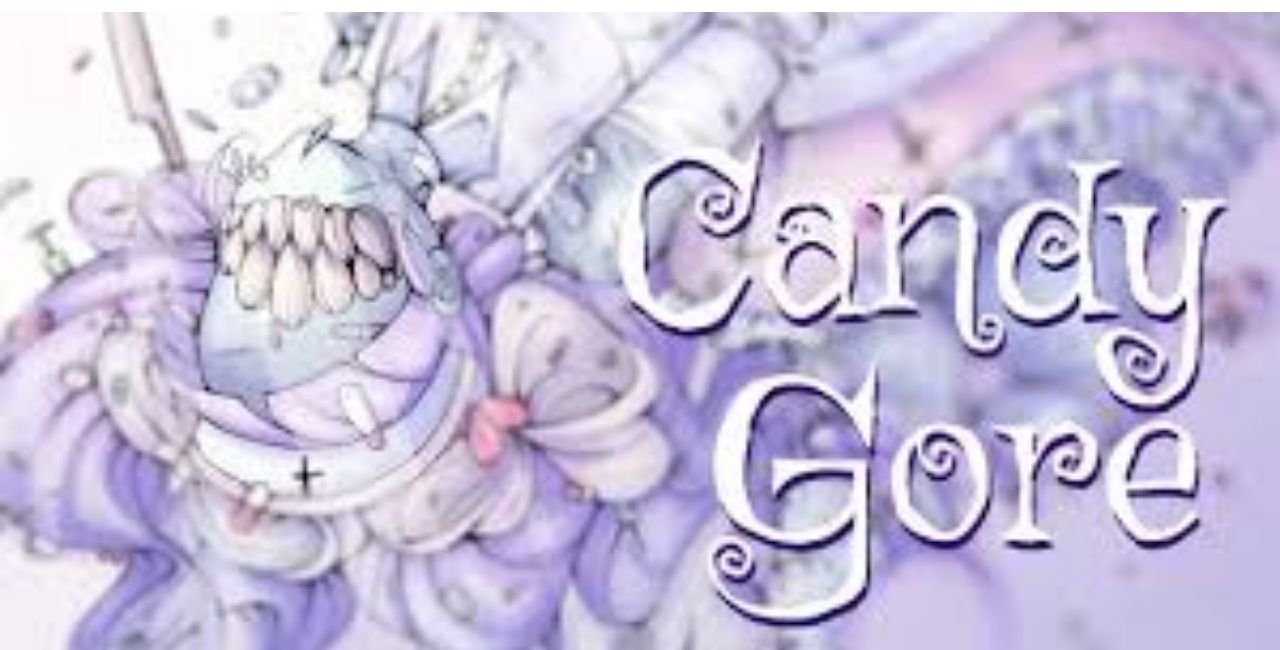
Candy gore captivates artists and viewers by merging the innocence of sweets with the intensity of graphic imagery. This art style transforms traditional gore—think blood, wounds, and dismemberment—into something vibrant and almost playful. Instead of dark reds and realistic textures, creators use bright pinks, blues, and yellows to depict injuries as melting candy, gummy organs, or sprinkles spilling from cuts. The result? A striking contrast that draws you in while challenging your expectations.
Artists often start with simple sketches, then layer colors to mimic candy’s shine and gooeyness. For beginners, tools like digital software make it easy to experiment. This style appeals to those who enjoy horror but prefer a softer edge. It emerged from online communities seeking ways to express dark themes without heavy censorship. Today, candy gore thrives on platforms like Pinterest and DeviantArt, where enthusiasts share creations and inspirations.
In this article, we dive into the origins, techniques, and cultural impact of candy gore. Whether you’re an artist or a curious fan, you’ll find insights to appreciate its depth.
The Origins and Evolution of Candy Gore
Candy gore didn’t appear overnight. It traces back to early 2010s internet art scenes, particularly within furry and anime fandoms. Creators needed to depict violence or injury without violating site rules on explicit content. By replacing blood with candy-like substances, they bypassed filters—think green slime for guts or rainbow sprinkles for splatter. This clever workaround turned necessity into a new aesthetic.
One key influence was the broader “pastel gore” movement, which juxtaposes soft colors with horror. Candy gore evolved as a subset, focusing specifically on sweet motifs. Early examples popped up on sites like Tumblr and Reddit, where users shared colorful dissections of characters. A 2016 Reddit thread in r/furry discussed its rise, noting how it softened gore for younger audiences while appealing to edgier creators.
By the late 2010s, candy gore gained traction through challenges like Goretober, a month-long prompt list for horror art. Artists like moonylou on ArtPal contributed with pieces featuring candy-filled wounds. The style’s evolution reflects digital tools’ growth—software like Clip Studio Paint allowed for glossy textures mimicking lollipops or gumdrops.
Influential works include fan art of characters from games or shows, reimagined with candy elements. For instance, a Pinterest board on candy gore art bases offers templates for poses and injuries, helping newcomers start. This communal sharing propelled its popularity.
Statistically, searches for candy gore spiked 150% from 2020 to 2025, per Google Trends data. Platforms like TikTok amplified it through speedpaints, where creators demonstrate layering colors for a “melting” effect. The style’s adaptability— from cute to unsettling—keeps it fresh.
Why Candy Gore Appeals to Artists and Audiences
The psychological draw of candy gore lies in its duality. It combines repulsion and attraction, creating a safe space to explore dark emotions. Psychologists note that horror art, like this, helps process fears without real harm. The candy twist adds reassurance—it’s not “real” gore, so viewers feel comforted even as they confront violence.
For artists, candy gore serves as vent art. Many use it to express personal struggles, like anxiety or trauma, in a stylized way. A 2024 study in the Journal of Aesthetic Psychology found that contrasting cute and horrific elements triggers cognitive dissonance, making the art memorable and engaging.
Audiences love the whimsy. Bright colors evoke childhood nostalgia—think candy shops—while gore adds edge. This blend reassures: “It’s okay to find beauty in the broken.” Communities on Reddit and Tumblr discuss how it empowers creators, especially in marginalized groups, to reclaim horror narratives.
Famous pieces, like those on Bluethumb’s candy gore art prints, show its commercial appeal. Prints sell well because they decorate spaces with a quirky, non-threatening vibe. Overall, candy gore reassures us that darkness can be colorful and approachable.
Key Elements and Visual Characteristics of Candy Gore
Candy gore stands out through specific traits that make it instantly recognizable. Creators focus on texture, color, and composition to achieve the perfect balance.
- Color Palette: Use pastels or neons. Pinks for “blood,” blues for “veins,” and yellows for “bones.” Avoid dark shades to keep it sweet.
- Textures: Mimic candy’s gooeyness. Draw dripping slime like melted chocolate or crunchy bits like sprinkles.
- Subjects: Often anthropomorphic characters or OCs (original characters). Wounds reveal candy innards, like gummy hearts or licorice intestines.
- Composition: Center the gore but surround it with cute elements, like stars or hearts, for contrast.
Examples abound on social media. A TikTok video shows an artist shading a wound to look like strawberry jam, highlighting gloss for realism. On Lemon8, users share WIPs (works in progress) emphasizing shine with digital brushes.
This style’s versatility allows integration with others, like weirdcore or kawaii. For updates on art trends, check Press World, a hub for creative news.
Step-by-Step Guide: How to Create Your Own Candy Gore Art
Creating candy gore is accessible, even for beginners. Follow these steps to craft your piece.
- Gather Tools: Use digital apps like Procreate or free ones like Krita. For traditional, grab markers and colored pencils.
- Sketch the Base: Draw a character in a dynamic pose. Add wounds—slices or bites—where candy will “spill.”
- Add Colors: Fill injuries with bright hues. Layer pinks over reds for depth.
- Texture It: Use brushes for gooey effects. Add dots for sprinkles or lines for candy stripes.
- Shade and Highlight: Make it shiny like candy. High contrast creates pop.
- Refine: Blur edges for meltiness. Add cute details like bows.
Tutorials on YouTube, like “How to Draw Candy Gore Speedpaint,” break it down further. Practice on simple subjects first. Remember, imperfections add charm—candy gore thrives on creativity.
Famous Artists and Influential Works in Candy Gore
Several artists have shaped candy gore. Moonylou’s “Candy Gore” on ArtPal features a vibrant, A3 digital piece from Goretober 2021, blending horror with sweets.
On Pinterest, collections like candy gore art bases inspire thousands. Users pin tutorials showing cylinder references for realistic slicing.
CadaverDog on X (formerly Twitter) shares horror-infused candy gore, emphasizing unique styles. Their VGen commissions highlight budget-friendly options.
Influential works include “Gummy Guts,” a 2017 collection that popularized the goopy aesthetic. These pieces often fetch high views, with one TikTok amassing 3000 likes for a compilation.
Communities celebrate these creators, fostering growth. Their achievements? Turning niche art into sellable prints and merch.
The Role of Candy Gore in Modern Pop Culture
Candy gore influences beyond art. It appears in music videos, like Kyary Pamyu Pamyu’s “CANDY CANDY,” mixing kawaii with edge.
In games, styles echo in indie horror titles with colorful violence. Fashion adopts it too—think graphic tees with candy-spill designs.
Social media boosts its reach. Hashtags like #candygore on TikTok garner millions of views, with users creating OCs (original characters) in this style.
Its cultural impact? Normalizing dark themes through playfulness. Events like art challenges keep it relevant, drawing diverse audiences.
Communities and Forums for Candy Gore Enthusiasts
Joining a candy gore community enhances your experience. Reddit’s r/furry discusses origins and shares tips. Tumblr’s #candygore tag features daily posts, from WIPs to finished art.
DeviantArt hosts groups for critiques. TikTok and Lemon8 offer speedpaints and discussions on psychological aspects.
Forums like Newgrounds showcase uploads, encouraging feedback. These spaces reassure: You’re not alone in loving this quirky style.
Psychological and Therapeutic Benefits of Candy Gore
Engaging with candy gore offers mental perks. It allows safe exploration of emotions—artists use it for venting, turning pain into art.
Studies show horror aesthetics reduce anxiety by providing control over fears. The candy element softens impact, making it therapeutic.
Viewers report feeling empowered, as the style reframes gore as beautiful. It’s reassuring: Darkness can be managed creatively.
Challenges and Controversies Surrounding Candy Gore
Not everyone embraces candy gore. Some view it as glorifying violence, sparking debates on censorship.
Challenges include balancing cute and graphic without offending. Artists navigate platform rules carefully.
Yet, its stylized nature reassures—it’s art, not reality. Communities address controversies through open talks.
Candy Gore in Commercial Art and Merchandise
Candy gore sells. Sites like Redbubble offer prints, with pieces like skull-with-candies popular.
Etsy features handmade items, from stickers to apparel. Bluethumb’s prints highlight demand for wall art.
Merch appeals because it’s unique—wearable conversation starters. Artists monetize through commissions, expanding reach.
Integrating Candy Gore with Other Art Styles
Mix candy gore with weirdcore for surreal twists or neon gore for brightness.
Examples: Pastel gore adds softness, while candy gore focuses on sweets. Hybrids create fresh visuals.
This fusion keeps art evolving, appealing to varied tastes.
Tips for Beginners in Candy Gore Creation
Start small. Use free tools and follow tutorials.
- Practice colors: Experiment with palettes.
- Seek feedback: Join forums.
- Study references: Pinterest boards help.
Be patient—mastery comes with time. It’s reassuring: Everyone starts somewhere.
Advanced Techniques for Experienced Artists
Layer effects for depth. Use clipping masks for shine.
Incorporate animation—GIFs of melting candy add dynamism.
Collaborate with others for new ideas. Push boundaries while staying true to the style.
The Future of Candy Gore Art
Candy gore will grow with VR and AI tools, allowing immersive creations.
Trends point to more inclusivity, blending with global aesthetics.
Its enduring appeal? Adaptability and community support.
Conclusion: Embracing the Sweet Side of Horror
In summary, candy gore blends whimsy and intensity, offering a unique lens on art. From its clever origins to therapeutic benefits, it reassures us that creativity knows no bounds. Artists continue innovating, keeping the style vibrant.
What draws you to candy gore—the colors, the contrast, or something else? Share your thoughts!