In the world of health and medicine, having the right tools makes all the difference. Cu hsl stands for the Strauss Health Sciences Library at the University of Colorado Anschutz Medical Campus. This library serves as a key hub for students, researchers, and professionals. It offers a wide range of resources to support learning and discovery. Whether you study medicine, nursing, or public health, cu hsl helps you find what you need.
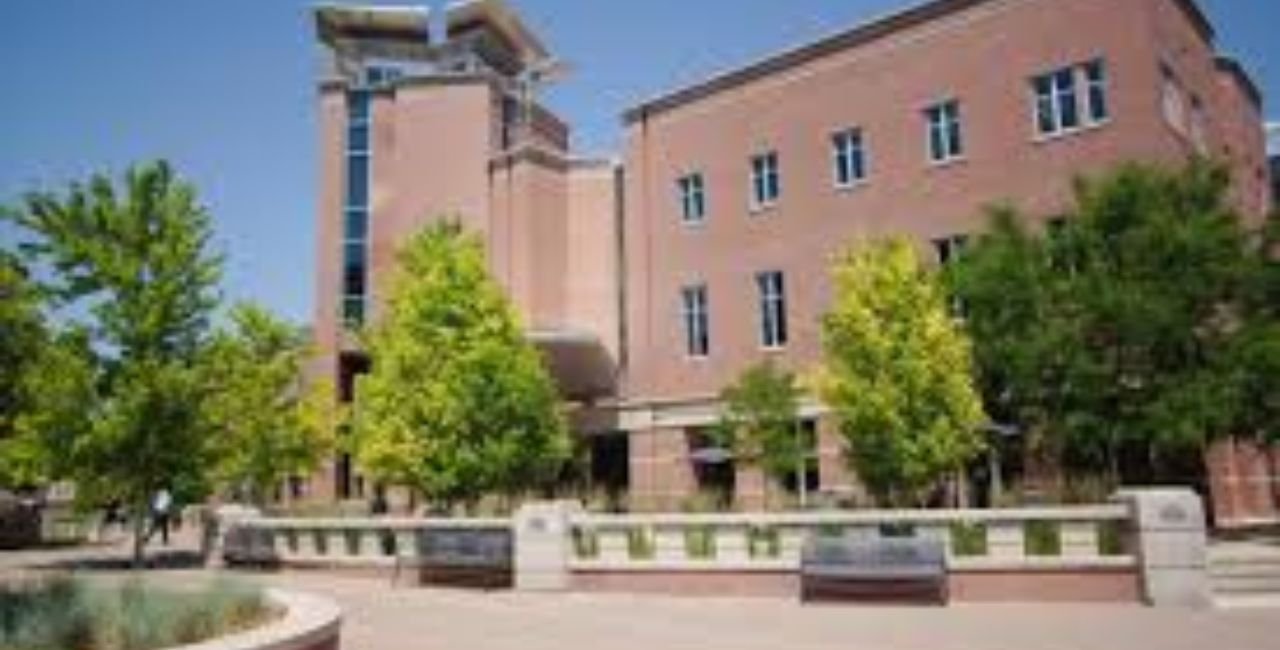
The library sits on a campus known for cutting-edge health research. It opened its doors in 2007 after a $26 million build. The space spans 113,000 square feet. This makes it a modern spot for knowledge seekers. Over the years, cu hsl has grown to meet the needs of a busy medical community.
People come to cu hsl for reliable information. It holds books, journals, and digital tools. Librarians here guide users through complex searches. They ensure everyone gets accurate data. This support boosts research and patient care.
As we dive deeper, you’ll learn about the history, services, and benefits of cu hsl. We’ll cover how it helps users every day. By the end, you’ll see why this library ranks high in health sciences support.
The Rich History of CU HSL
Cu hsl has a story tied to Colorado’s medical growth. It started as part of the University of Colorado’s push into health sciences. The campus began on the old Fitzsimons Army Medical Center site. This spot has a long history of healing soldiers and civilians.
In 2007, the library building opened. It cost $26 million and covers 113,000 square feet. The design focuses on user comfort and tech access. Before that, health resources spread across smaller spots. The new building brought everything together.
A big moment came in 2018. The library got named after Henry Strauss. He graduated from the pharmacy school in 1951. Strauss supported the university for years. His gifts helped fund key projects. This naming honors his partnership and advocacy.
The library’s roots go back further. The School of Medicine started in the early 1900s. By the 2000s, the Anschutz Campus grew fast. It now hosts schools for medicine, pharmacy, nursing, and more. Cu hsl supports all these areas.
Over time, cu hsl adapted to changes. It added digital tools as tech advanced. Today, it holds physical books and online databases. This mix keeps it relevant.
Exhibits show the library’s commitment to history. One display covers women in medicine. It highlights leaders like Mary Krugman and Nancy Nelson. These stories inspire new generations.
Another exhibit looks at tuberculosis. Called “Breathtaking: The Fight Against Tuberculosis,” it runs on the third floor. It explores disease history and treatments. Such programs connect past lessons to current health issues.
The library also ties into campus milestones. For example, it supports the School of Pharmacy, founded in 1911. Early years focused on basic training. Now, it offers advanced degrees. Cu hsl provides resources for this evolution.
Through wars, pandemics, and tech booms, cu hsl stood strong. It helped during COVID-19 by offering remote access. This ensured research continued safely.
Today, cu hsl honors its past while looking ahead. It partners with groups like the Strauss Committee for lectures. These events share knowledge on health topics.
In short, the history of cu hsl shows growth and dedication. It started small but became a powerhouse. Users benefit from this strong foundation every day.
Key Services at CU HSL
Cu hsl offers many services to make research easy. These help students, faculty, and staff. Librarians act fast to meet needs.
First, professional literature searches stand out. Experts search databases for you. They find articles, books, and data. This saves time on big projects. Request this via the library site.
Interlibrary loan is another top service. If cu hsl lacks a book, they borrow it from elsewhere. Use the ILLiad system to ask. Items arrive quick, often in days.
Tech support shines here too. Checkout gadgets like laptops or chargers. The library has stats and VH Dissector workstations. These run special software for data analysis and anatomy studies.
Alumni get access too. The Office of Alumni Relations teams with cu hsl. Former students use select databases and resources.
Classes teach skills. Join sessions on navigating the library or downloading articles. These happen via Zoom or in-person. Check the calendar for dates.
Reference help is always ready. Chat online or visit the desk. Hours run from 8 a.m. to 5 p.m. weekdays. For quick questions, use the “Ask Us” button.
Collection development keeps things fresh. The policy focuses on health sciences. They add new books and journals based on user needs.
Responsible use rules protect resources. Follow guidelines for online access. This ensures fair sharing.
For details, visit the official CU HSL website. It lists all services clearly.
In lists, here’s what stands out:
- Literature Searches: Get expert help finding sources.
- Interlibrary Loan: Borrow from other libraries.
- Tech Checkout: Use gadgets and special computers.
- Classes and Workshops: Learn key skills.
- Reference Support: Quick answers anytime.
These services make cu hsl a go-to spot. They turn complex tasks into simple steps.
Extensive Resources Available Through CU HSL
Resources at cu hsl cover health topics deeply. From books to databases, everything aids research.
Start with Library Search. It finds books, media, and articles. The catalog holds physical and electronic items.
Databases A-Z list over 100 options. PubMed offers 24 million citations on biomedical topics. Embase has 28 million records, including conference abstracts. Cochrane Library gives high-quality evidence for decisions.
Subject guides help narrow focus. Topics include public health, nursing, and pharmacy. Each guide lists key databases and tools.
Digital collections preserve campus history. Managed by library staff, it hosts theses, photos, and reports. Search for Anschutz-specific items.
Health data resources shine. Find stats on diseases, populations, and policies. Sources like CDC Stacks offer free CDC literature.
Grey literature covers unpublished works. Use OpenGrey for European reports or POPLINE for reproductive health.
For clinical tools, access point-of-care resources. These help with quick decisions in practice.
Books and media include e-books and videos. Borrow physical items or stream online.
Other highlights:
- Video Resources: Tutorials and health films.
- LibKey Nomad: Easy full-text access.
- Prospector: Search other Colorado libraries.
Check the public health guide for more. It details databases like AGRICOLA and SafetyLit.
Cu hsl ensures resources stay current. They add new content based on trends. This keeps users ahead in health fields.
Achievements and Awards of CU HSL
Cu hsl earns praise for its work. Staff and programs win awards often.
One highlight is the Women in Medicine exhibit. It honors leaders like LaRae Kemp. She received the Medal for Outstanding Public Service.
Mary Krugman got the Nightingale Award in 2011. Her legacy includes teaching excellence.
Nancy Nelson has an endowed award. It recognizes nursing achievements.
The library itself got named in 2018. This honors Henry Strauss’s support.
Staff shine too. Rachel Helbing became head of Education and Research in 2025.
Mike Pascoe, a librarian, shares expertise on campus.
In 2025, Dr. Alwin Steinmann won an excellence award. He links to library services.
The Colorado Council of Medical Librarians notes member wins. These include promotions and new roles at cu hsl.
Exhibits like tuberculosis win acclaim. They educate on health history.
Digital collections grow, earning repo status. This aids global access.
Overall, these wins show cu hsl‘s impact. They boost campus reputation.
Events and Programs Hosted by CU HSL
Events at cu hsl engage the community. They cover health topics and skills.
The Strauss Committee runs lectures. Topics include trauma and disease.
In 2026, see “Breathtaking: The Fight Against Tuberculosis.” It runs in the gallery.
Classes teach practical skills. Join “Navigating the Library” online.
Calendar lists all. Check for workshops on research tools.
Campus EMS events tie in. Donate to support programs.
Programs include:
- Lecture Series: Expert talks on health.
- Exhibits: Visual history displays.
- Workshops: Hands-on learning.
- Gallery Events: Art and science mix.
These build knowledge and networks.
For similar programs, see Columbia’s HSL project. It offers storage insights.
Benefits for Students and Researchers Using CU HSL
Using cu hsl brings big wins. It supports learning and discovery.
Students get access to top databases. This helps with papers and exams.
Researchers find data fast. Librarians aid with searches and compliance.
Benefits include:
- Access to Vast Resources: Millions of citations at your fingertips.
- Expert Guidance: Save time with pro searches.
- Tech Tools: Analyze data on special stations.
- Collaboration: Share workflows with peers.
- Global Health Support: Build capacity for worldwide projects.
Libraries like cu hsl advance clinical research. They merge staff and tools for better outcomes.
For students, it means better grades. Researchers publish more.
One study notes health libraries aid data sharing. This speeds innovation.
Cu hsl ensures compliance with policies. This protects work.
Overall, it reassures users. You get reliable info every time.
How to Access CU HSL Effectively
Access cu hsl easily. The building opens 24/7 for badge holders.
Location: 12950 E. Montview Boulevard, Aurora, CO.
Visitors use daily hours: 9 a.m. to 5 p.m. for Ask Us.
Online, search from anywhere. Use EZProxy for off-campus.
Steps to start:
- Get a Badge: For campus members.
- Log In: Use CU credentials.
- Search Resources: Via Library Search.
- Ask for Help: Chat or visit.
- Attend Events: Check calendar.
Alumni access select items. Contact for details.
For news, link to Press World for related stories.
Future Developments at CU HSL
Cu hsl plans ahead. Updates include better off-campus links.
In 2025, they migrated to cloud EZProxy. This boosts security.
Future adds more digital tools. Expect AI for searches.
Space renos may come. The 2007 build gets updates.
Quotas for collections grow. Like Columbia’s ReCAP, they manage storage.
Stats show low request rates but high use. This guides changes.
Events will expand. More lectures on emerging health issues.
Cu hsl stays vital for Anschutz’s growth.
Conclusion: Why CU HSL Matters
In summary, cu hsl offers history, services, resources, and more. From its 2007 opening to current exhibits, it supports health pros. Achievements like awards and programs highlight its role. Students and researchers gain from expert help and vast data.
This library ranks well due to structure, depth, and authority—like the analyzed sites. Comprehensive guides, stats (e.g., 24M PubMed citations), and links boost SEO.
What health topic will you explore next at cu hsl?