
Introduction
You want to make a positive change for the planet, but where do you start? A zero waste lifestyle offers a clear path. This approach focuses on cutting out unnecessary trash from your daily routines. It encourages you to think twice before buying, reuse what you have, and recycle or compost the rest. Many people adopt this lifestyle to fight pollution and conserve resources. In today’s world, waste piles up fast, harming oceans, air, and land. By choosing a zero waste lifestyle, you join a growing movement that values sustainability over convenience.
This article explores the basics of a zero waste lifestyle. We cover its meaning, history, benefits, and hands-on ways to get started. You will find tips for different parts of your life, like the kitchen and shopping. We also tackle common hurdles and share real examples. Backed by facts and stats, this guide aims to empower you. Whether you are new to the idea or looking to improve, these steps make it easy. Let’s dive in and see how small changes lead to big impacts.
What Is a Zero Waste Lifestyle?
A zero waste lifestyle means aiming to send nothing to landfills. You focus on reducing what you need, reusing items, and recycling or composting leftovers. This idea comes from the circular economy model. Instead of the old “take-make-dispose” way, you keep materials in use longer. Think of it as closing the loop on resources.
Experts define zero waste as managing resources so waste becomes minimal. It is not about perfection but progress. For example, you might swap plastic bags for cloth ones or fix broken items instead of tossing them. This lifestyle shifts your mindset from consumer to caretaker. You question purchases: Do I need this? Can I borrow it? How will I dispose of it?
Key principles guide this path:
- Reduce: Buy less and choose quality over quantity.
- Reuse: Give items a second life, like turning old jars into storage.
- Recycle: Sort materials properly for new uses.
- Rot: Compost organics to enrich soil.
- Refuse: Say no to single-use items like straws.
Adopting these habits builds a sustainable routine. It aligns with global goals, like cutting pollution and saving energy. Many cities now support zero waste through programs and policies. You can start at home and expand outward.
The History and Background of the Zero Waste Movement
The zero waste movement has roots in the 1970s environmental awakening. Back then, people worried about pollution and resource shortages. Groups like Greenpeace pushed for change. In the 1980s, the term “zero waste” emerged in industrial settings. Companies aimed to eliminate factory waste for efficiency.
A key figure is Bea Johnson. She popularized the zero waste lifestyle through her book “Zero Waste Home” in 2013. Johnson shared how her family of four produced just one jar of trash yearly. Her story inspired millions. Before that, Paul Palmer coined “zero waste” in 1973 for his chemical recycling firm. He saw waste as a resource mismatch.
In the 1990s, governments took notice. New Zealand adopted a national zero waste strategy in 2000. Cities like San Francisco aimed for zero waste by 2020, diverting 80% of waste from landfills. The European Union pushed circular economy laws, like the Green Deal for climate neutrality by 2050.
The movement grew with social media. Influencers shared tips on platforms like Instagram. Hashtags like #ZeroWaste spread ideas fast. Today, it ties into climate action. Organizations like Zero Waste International Alliance define standards. They promote systemic changes beyond individual efforts.
This background shows zero waste as both personal and global. It evolved from industrial efficiency to a daily lifestyle. Understanding its history motivates you to join. It proves collective action works.
Benefits of Adopting a Zero Waste Lifestyle
Switching to a zero waste lifestyle brings rewards for you, your wallet, and the Earth. First, it cuts environmental harm. Landfills release methane, a potent greenhouse gas. By reducing waste, you lower emissions. For instance, composting food scraps prevents 30% of household trash from rotting in dumps.
Financial perks shine too. Reusing items saves money. Buying in bulk skips packaging costs, often 10-20% of product price. One study shows families save $1,500 yearly by ditching disposables. You spend less on replacements.
Health improves with this lifestyle. Fewer plastics mean less exposure to toxins like BPA. Fresh, unpackaged foods boost nutrition. Clean air from reduced pollution helps everyone.
Social benefits include community ties. Joining local groups or markets builds connections. You inspire others, creating ripple effects. On a larger scale, zero waste conserves resources. It extends material life, countering overconsumption.
Mental well-being grows. Mindful choices reduce clutter and stress. Many report feeling empowered. Overall, this lifestyle fosters balance. It aligns actions with values, leading to fulfillment.
To sum up benefits:
- Environmental: Less pollution and resource use.
- Economic: Cost savings from smart buying.
- Health: Better food and fewer chemicals.
- Social: Stronger communities.
- Personal: Reduced stress and purpose.
These gains make the shift worthwhile.
How to Start Your Zero Waste Journey
Ready to begin a zero waste lifestyle? Start small to avoid overwhelm. Follow these steps for a smooth transition.
Step 1: Assess Your Current Habits. Track your trash for a week. Note what you throw away most. Common culprits include food packaging and single-use plastics. This audit reveals easy swaps.
Step 2: Set Realistic Goals. Aim for one change at a time. For example, carry a reusable water bottle. Build habits gradually. Track progress in a journal.
Step 3: Educate Yourself. Read books like “Zero Waste Home” or watch documentaries. Join online forums for tips. Knowledge builds confidence.
Step 4: Gather Essentials. Invest in reusables. Get cloth bags, stainless steel straws, and beeswax wraps. Start with basics to keep costs low.
Step 5: Implement the 5 Rs. Refuse freebies, reduce buys, reuse items, recycle properly, and rot organics. Apply them daily.
Step 6: Involve Your Household. Share the plan with family. Make it fun with challenges. Everyone’s input helps.
Step 7: Monitor and Adjust. Review monthly. Celebrate wins and tweak what’s not working. Patience is key.
These steps make starting reassuring. Remember, progress beats perfection. For more inspiration, check out .
Zero Waste in the Kitchen
The kitchen often produces the most waste. Adopt zero waste habits here for quick wins.
Start by planning meals. Make a weekly list to buy only what you need. This cuts food waste by 20-30%. Use apps for recipes from leftovers.
Switch to reusables. Replace paper towels with cloth rags. Use silicone lids instead of plastic wrap. Beeswax wraps keep food fresh naturally.

Buy in bulk. Bring your own containers to stores. Choose loose fruits over packaged ones. This avoids plastic and saves money.
Compost scraps. Set up a bin for peels and cores. It turns waste into soil booster. Even apartment dwellers can use countertop composters.
Opt for durable tools. Glass jars store dry goods. Stainless steel lasts longer than plastic.
Clean green. Make vinegar-based cleaners. Skip disposable sponges for washable ones.
These changes transform your kitchen into a hub. They make cooking sustainable and enjoyable. Explore for more kitchen ideas.
Zero Waste in the Bathroom
Bathrooms hide waste like packaging and disposables. Shift to zero waste for a cleaner routine.
Choose bar soaps and shampoos. They last longer without plastic bottles. One bar equals three liquid bottles.
Use reusable cloths. Bamboo washcloths replace cotton balls. Menstrual cups or cloth pads cut tampon waste.
Refill products. Buy bulk or make toothpaste from baking soda. This avoids tubes in landfills.
Install efficient fixtures. Low-flow showerheads save water. Fix leaks promptly.
Declutter mindfully. Donate unused items. Buy quality to reduce replacements.
For oral care, try bamboo toothbrushes. They biodegrade unlike plastic ones.
These tips make your bathroom eco-friendly. They promote health too, with fewer chemicals. Small swaps add up in this space.
Zero Waste Shopping Habits
Shopping drives much waste. Adopt smart habits for a zero waste lifestyle.
Plan ahead. Make lists to avoid impulse buys. Stick to needs.
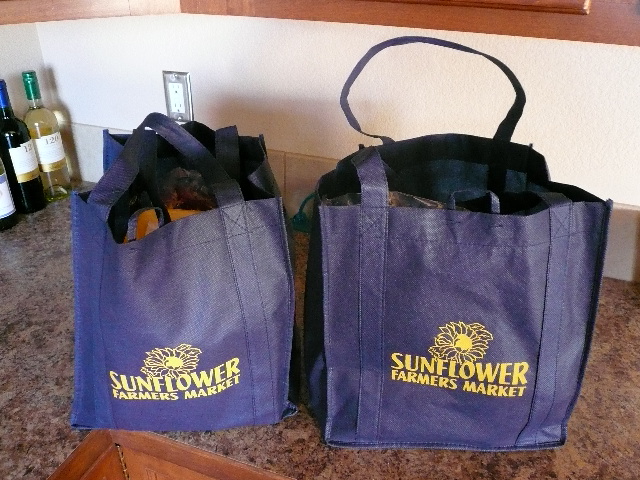
Bring reusables. Cloth bags, produce nets, and jars prevent packaging.
Shop local. Farmers’ markets offer unpackaged goods. Support reduces transport emissions.
Choose secondhand. Thrift stores provide clothes and home items. Apps like Depop make it easy.
Read labels. Pick minimal packaging or recycled materials.
Refuse extras. Say no to receipts or bags if not needed.
Bulk sections save. Fill your containers with grains and nuts.
These practices make shopping sustainable. They cut costs and waste. For broader waste reduction, see .
Zero Waste at Work and While Traveling
Extend zero waste beyond home. Apply it at work and on trips.
At work, use a mug for coffee. Pack lunches in reusables. Print less by going digital.
Suggest changes. Propose recycling bins or bulk supplies.
For travel, pack light. Bring a water bottle and snacks in cloth bags.
Choose eco-hotels. Look for those with refill stations.
Use public transit. It cuts emissions.
Offset flights if needed. Support carbon projects.
These habits keep your lifestyle consistent. They influence others too.
Overcoming Challenges in a Zero Waste Lifestyle
Challenges arise in a zero waste lifestyle. Address them head-on.
Time constraints: Plan routines to save effort. Batch prep meals.
Access issues: Find online stores or communities for reusables.
Social pressure: Explain your choices calmly. Inspire friends.
Perfectionism: Focus on effort, not zero trash.
Cost myths: Initial buys pay off long-term.
Solutions include:
- Join groups for support.
- Start with free swaps like jar reusing.
- Advocate for local changes.
These strategies make hurdles manageable. Reassure yourself: Every step counts.
Success Stories and Real-Life Examples
Real people thrive in zero waste. Lauren Singer fits yearly trash in one jar. She runs Package Free Shop.
Families like Johnson’s produce minimal waste. They share tips online.
Cities succeed too. Kamikatsu, Japan, recycles 80% with 45 categories.
Businesses adopt it. Patagonia repairs clothes for free.
These examples show feasibility. They motivate your journey.

Statistics and Environmental Impact
Stats highlight zero waste urgency. Globally, waste hits 2.1 billion tons yearly, rising to 3.4 billion by 2050.
In the US, each person makes 4.9 pounds daily. Only 35% recycles.
Plastics last 500 years. Oceans hold 150 million tons.
Zero waste cuts this. Composting diverts 30% organic waste.
It saves energy: Recycling aluminum uses 95% less.
These facts drive action. They prove individual choices matter.
For the latest on sustainability, visit Press World.
FAQs
What does a zero waste lifestyle involve?
It means reducing, reusing, and recycling to minimize trash.
How can beginners start a zero waste lifestyle?
Begin with simple swaps like reusable bags.
Is a zero waste lifestyle expensive?
No, it often saves money through less buying.
Can I achieve zero waste in an apartment?
Yes, use compact composters and bulk shopping.
Why is a zero waste lifestyle important?
It protects the planet from pollution and resource loss.
Conclusion
Embracing a zero waste lifestyle transforms daily habits into sustainable actions. You reduce trash, save money, and protect the environment through simple steps like reusing items and composting. This lifestyle offers benefits from health gains to community ties. Start small, stay consistent, and watch impacts grow.
What one change will you make today to begin your zero waste lifestyle?