
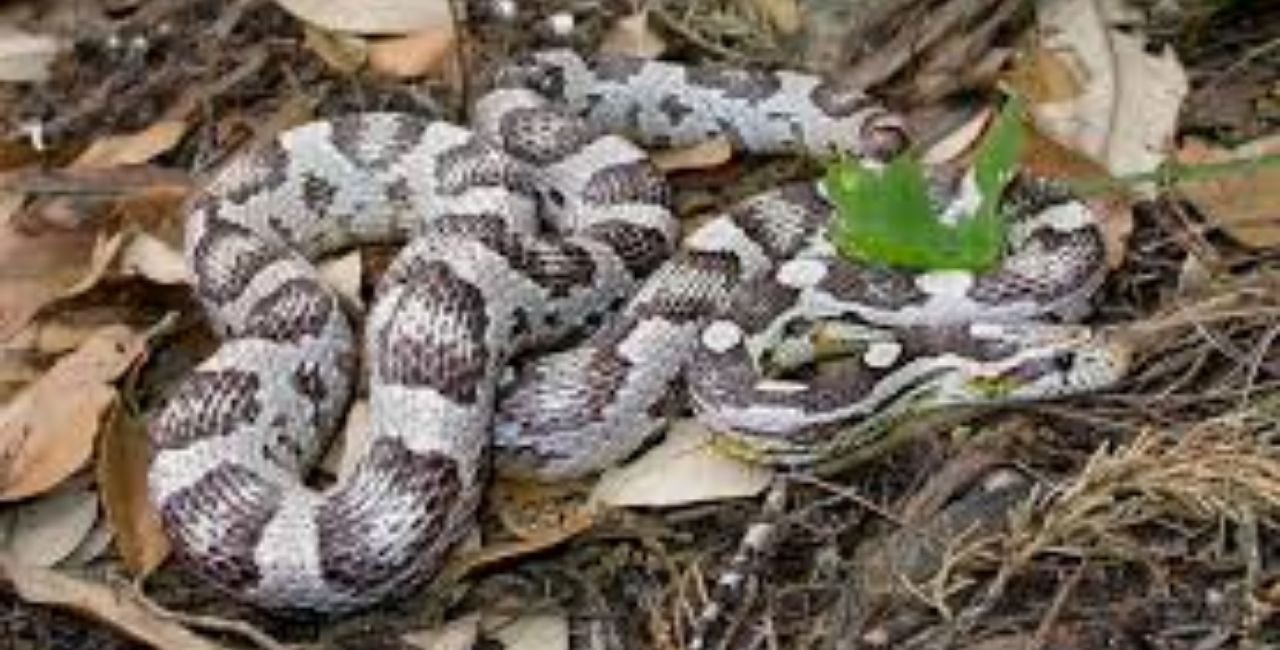
Corn snakes captivate pet owners with their gentle nature and stunning variety. Corn snake morphs transform these North American natives into a rainbow of colors and patterns. Breeders create these variations through selective breeding and genetic mutations. This guide explores the background of corn snakes, the science behind their morphs, popular and rare types, care advice, and more. Whether you are a new owner or an experienced herpetologist, you will find helpful insights here.
Understanding Corn Snake Basics
Corn snakes, known scientifically as Pantherophis guttatus, originate from the southeastern United States. They thrive in habitats like pine forests, grasslands, and even abandoned buildings. These snakes grow to 18-44 inches long, with some reaching up to 72 inches. In the wild, they hunt rodents, birds, and lizards by constriction. Their calm temperament makes them ideal pets, living up to 22 years in captivity.
Experts often confuse corn snakes with copperheads due to similar blotchy patterns. However, corn snakes have checkered bellies and round pupils, unlike the venomous copperhead’s solid belly and vertical slits. This distinction reassures new owners that corn snakes pose no threat.
The name “corn snake” comes from their belly markings resembling corn kernels or their habit of lurking in cornfields to catch mice. Selective breeding has exploded their popularity, leading to hundreds of corn snake morphs. For general facts on these snakes, check out this overview on corn snakes.
The History of Corn Snake Morphs
Corn snake breeding began in the mid-20th century. Early collectors noticed natural variations in wild populations from areas like Florida’s Keys or South Carolina’s Okeetee region. By the 1980s, breeders isolated mutations like amelanistic (albino) and anerythristic (black). These single recessive genes sparked a breeding boom.
Today, over 800 corn snake morphs exist, combining up to five traits. Organizations like the Ratsnake Foundation document these developments. Breeding ethics emphasize health over rarity, avoiding issues like scale deformities in some hybrids. This history shows how human intervention turned a common rat snake into a diverse pet species.
Genetics Behind Corn Snake Morphs
Genetics drive corn snake morphs. Most morphs stem from recessive, dominant, or incomplete dominant mutations. Recessive traits need two copies of the gene—one from each parent—to show. Dominant traits appear with just one copy.
Key genetic terms:
- Amelanistic (Amel): Recessive; removes black pigment, creating bright reds and yellows.
- Anerythristic (Anery): Recessive; eliminates red pigments, resulting in grays and blacks.
- Diffused: Recessive; blurs patterns, often linked to “bloodred” for solid colors.
- Hypomelanistic (Hypo): Recessive; reduces melanin for lighter shades.
- Lavender: Recessive; adds purple tones.
Breeders use Punnett squares to predict outcomes. For example, breeding two het (heterozygous) amel snakes yields 25% amel offspring. Polygenetic traits, like enhanced red in “red factor,” come from selective breeding, not single genes.
Hybrids mix corn snakes with species like Emory’s rat snakes, creating morphs like creamsicle. However, purists debate hybrids’ ethics due to potential health risks. Always source from reputable breeders to ensure genetic health.
Popular Corn Snake Morphs
Popular corn snake morphs appeal due to their vibrant colors and affordability. Prices range from $30 for basics to $300 for combos. Here are top ones:
Amelanistic Morph
Amelanistic, or amel, snakes lack melanin. They hatch with pink skin and red eyes, maturing to orange and white. This morph bases many others, like sunglow.
- Characteristics: Bright orange saddles on white ground; red pupils.
- Genetics: Single recessive.
- Care Tips: Provide UVB lighting to enhance colors; feed rodents weekly.
- Price: $70-$100.
Breeders love amel for its versatility in crosses.
Anerythristic Morph
Anerythristic snakes miss red pigments, appearing in shades of gray, black, and white. They mimic black rat snakes but stay smaller.
- Characteristics: Charcoal gray body with faint patterns; dark eyes.
- Genetics: Recessive (anery A or B variants).
- Care Tips: Use aspen bedding to contrast their dark hues; monitor humidity at 40-60%.
- Price: $100-$150.
This morph suits owners wanting a subtle look.
Bloodred Morph
Bloodred morphs feature diffused patterns for a solid red appearance. Selective breeding intensifies the color.
- Characteristics: Deep crimson body, often patternless as adults.
- Genetics: Diffused (recessive) + masque (incomplete dominant) + red factor.
- Care Tips: Offer climbing branches; they enjoy exploration.
- Price: $150-$300.
For visuals, see this corn snake morph photos gallery.
Butter Morph
Butter combines amel and caramel for creamy yellow tones.
- Characteristics: Golden yellow with brown saddles.
- Genetics: Amel + caramel (both recessive).
- Care Tips: Feed thawed mice; avoid live prey to prevent bites.
- Price: $100-$200.
It’s a favorite for its sunny disposition matching its color.
Candycane Morph
Candycane shows white bodies with red stripes, like candy canes.
- Characteristics: Stark white ground, bold red blotches.
- Genetics: Amel + selective breeding for high white.
- Care Tips: Keep enclosure at 75-85°F gradient.
- Price: $70-$100.
This morph brightens any collection.
Rare Corn Snake Morphs
Rare corn snake morphs command higher prices due to complex genetics or limited breeding. They often involve multiple mutations.
Palmetto Morph
Palmetto snakes appear almost white with random black specks, like pixels.
- Characteristics: White base, scattered dark flecks; red eyes.
- Genetics: Incomplete dominant; anery + amel + lavender.
- Care Tips: Handle gently; they startle easily.
- Price: $600-$700.
Rarity stems from its recent discovery.
Scaleless Morph
Scaleless lack most scales, giving smooth skin. They hybridize with Great Plains rat snakes.
- Characteristics: Slick texture, larger eyes.
- Genetics: Recessive; hybrid origin.
- Care Tips: Maintain higher humidity to prevent skin issues.
- Price: $500+.
Ethics debate surrounds scaleless due to potential vulnerabilities.
Tessera Morph
Tessera creates striped or pixelated patterns.
- Characteristics: Thin dorsal stripes, cubed side markings.
- Genetics: Dominant or incomplete dominant.
- Care Tips: Provide hides for security.
- Price: $100-$200.
It adds geometric flair.
Lava Morph
Lava reduces black for grayish tones.
- Characteristics: Gray outlines on orange; subtle patterns.
- Genetics: Recessive.
- Care Tips: Use digital thermometers for precise temps.
- Price: $150-$250.
Lava bases ice morphs when combined with anery.
Kastanie Morph
Kastanie, or chestnut, adds brown hues.
- Characteristics: Chestnut saddles on tan ground.
- Genetics: Recessive.
- Care Tips: Offer varied diet for nutrition.
- Price: $200+.
It’s rarer in U.S. collections.
For a full list of morphs, explore this complete corn snake morphs list.
Color-Themed Corn Snake Morphs
Group morphs by color for easy selection.
Black, White, or Gray Morphs
- Blizzard: Amel + charcoal + diffused; pure white with pink eyes. Price: $200-$300.
- Avalanche: Anery + amel + diffused; white with pink undertones. Price: $250.
- Phantom: Charcoal + diffused + masque; gray with faint patterns. Price: $250.
- Pewter: Similar to phantom but solid gray. Price: $200.
These suit minimalist setups.
Red, Orange, and Yellow Morphs
- Sunglow: Hypo + amel + motley; bright orange. Price: $100.
- Fire-Cayenne: Amel + diffused + red factor; fiery red. Price: $150-$300.
- Honey: Sunkissed + caramel; golden yellow. Price: $99.
- Okeetee: Wild-type with deep red saddles. Price: $100-$200.
Vibrant for display tanks.
Pink and Purple Morphs
- Opal: Amel + lavender; white with red sheen. Price: $275-$300.
- Plasma: Lavender + diffused; pinkish gray. Price: $650.
- Moonstone: Anery + lavender; tan with purple eyes.
- Coral/Salmon Snow: Amel + anery + red factor; pink spots. Price: $180-$250.
Exotic for advanced keepers.
Normal and Wild-Type Morphs
- Normal: Basic orange with black borders. Price: $30.
- Miami: Silver-gray ground from Florida.
- Keys: Similar but from Keys region.
- Alabama: Browner tones.
Great starters.
Caring for Corn Snake Morphs
All corn snake morphs share basic care, but some need tweaks.
Enclosure Setup
Use a 20-40 gallon tank for adults. Include:
- Substrate: Aspen or cypress mulch.
- Hides: Two—one warm, one cool.
- Water Bowl: Fresh daily.
- Climbing: Branches or vines.
Gradient: Warm side 85°F, cool 75°F. Use under-tank heaters.
Feeding
Feed every 7-10 days:
- Choose appropriately sized rodents (no wider than snake’s girth).
- Thaw frozen prey.
- Use tongs to avoid bites.
- Monitor weight to prevent obesity.
Juveniles eat pinkies; adults take adult mice.
Health and Handling
Watch for mites, respiratory issues. Vet check yearly. Handle 2-3 times weekly after meals. Morphs like scaleless need extra humidity (50-60%) to shed properly.
Reassuringly, corn snakes rarely bite if socialized young.
Breeding Corn Snakes
Breed in spring. Cool snakes to 50-60°F for 2-3 months (brumation). Pair after. Females lay 10-30 eggs; incubate at 82°F for 60 days.
Track genetics to avoid inbreeding.
Statistics and Fun Facts on Corn Snake Morphs
- Over 800 morphs documented.
- Average lifespan: 15-20 years in captivity.
- Hatchling size: 10-15 inches.
- 70% of pet corn snakes are morphs, per breeder surveys.
- Rarest morph: Palmetto, with fewer than 100 breeders worldwide.
Quote from herpetologist Jeff Beane: “Corn snakes climb trees using scale friction, a unique adaptation.”
Tips for Choosing a Corn Snake Morph
- Budget: Start with affordable like normal or amel.
- Space: Ensure tank size matches adult growth.
- Experience: Beginners pick hardy morphs; experts try rares.
- Source: Buy from ethical breeders; avoid wild-caught.
- Health Check: Look for clear eyes, smooth skin.
For more reptile news, visit Press World.
Common Mistakes with Corn Snake Morphs
Avoid:
- Overfeeding: Leads to regurgitation.
- Low Humidity: Causes stuck sheds.
- Mixing Morphs: Unless breeding intentionally.
- Ignoring Quarantine: For new snakes.
Correct these for healthy pets.
FAQs on Corn Snake Morphs
What are corn snake morphs?
Corn snake morphs are color and pattern variations from genetic mutations and breeding.
How many corn snake morphs exist?
Over 800, from basic to complex combos.
Are corn snake morphs healthy?
Yes, if bred responsibly; some hybrids may have issues.
What’s the best beginner corn snake morph?
Amelanistic or normal—easy and affordable.
How do I identify corn snake morphs?
Look at colors, patterns, eyes; use genetic tests for accuracy.
Conclusion
Corn snake morphs offer endless variety, from classic oranges to exotic whites and purples. This guide covered their genetics, popular types, care, and history, drawing from reliable sources. With proper setup, these snakes make rewarding pets. What corn snake morph will you add to your collection next?