The unthsc represents a beacon of progress in health education and research. This dynamic university, known formally as the University of North Texas Health Science Center, drives forward with a mission to create solutions for healthier communities. Leaders at unthsc focus on training future providers who embody values like collaboration and innovation. Students and faculty work together to tackle real-world health challenges. In this guide, you will find key details about its background, programs, and impact. Whether you aim to study medicine or seek community health insights, unthsc offers pathways to success.
The Rich History of UNTHSC
Experts trace the roots of unthsc back to 1970. Founders established it as the Texas College of Osteopathic Medicine, or TCOM. This marked the first osteopathic medical school in Texas. A small group of visionary doctors, including Dr. D.D. Beyer, Dr. Carl Everett, and Dr. George Luibel, pushed against odds to build it. They started in modest spaces, like the fifth floor of a hospital in Fort Worth. By 1971, they even turned a former bowling alley into classrooms and labs.
In 1975, the state stepped in. Lawmakers passed Senate Bill 216, making TCOM part of the public university system under North Texas State University. This shift brought funding and growth. The campus expanded to 33 acres in Fort Worth’s cultural district. Over decades, unthsc added new schools and programs. For example, in 1993, it became the University of North Texas Health Science Center and launched the Graduate School of Biomedical Sciences.
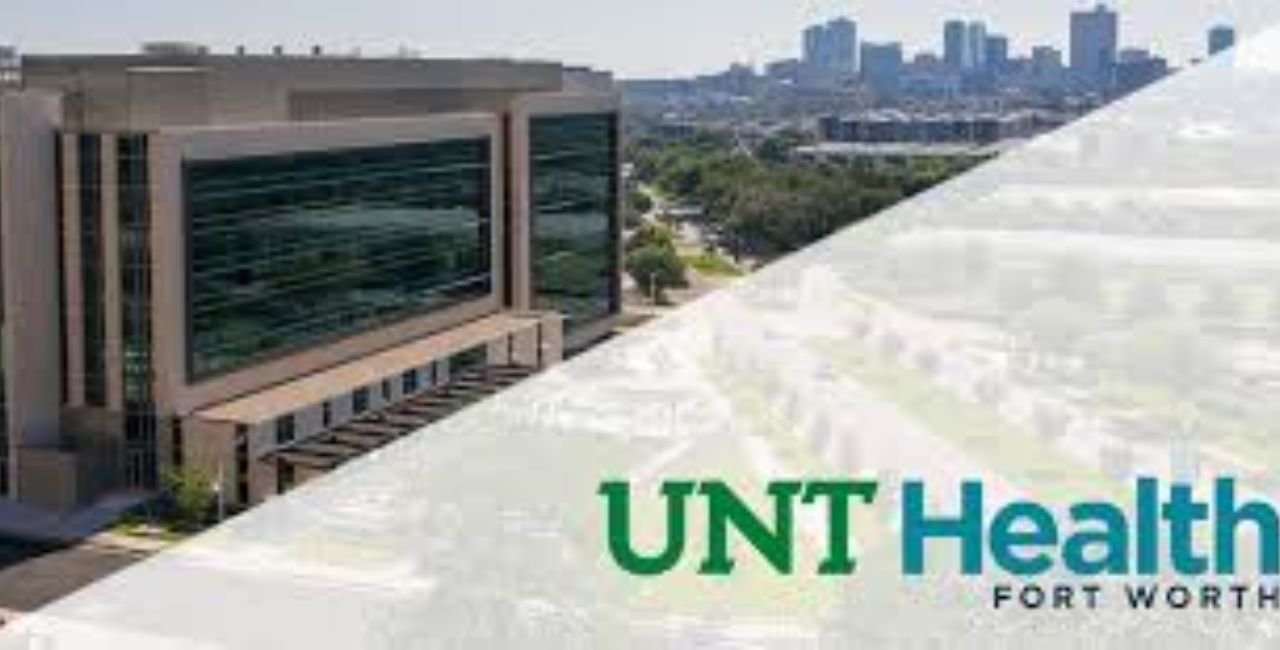
Milestones continued. The School of Public Health opened in 1999. The College of Pharmacy followed in 2011, with its first PharmD class in 2013. Recent years saw partnerships, like a joint MD program with Texas Christian University from 2015 to 2022. In 2022, unthsc introduced its first undergraduate degree, a Bachelor of Science in Biomedical Sciences. By 2025, the institution rebranded to UNT Health Fort Worth to highlight its ties to the UNT System and local roots.
This history shows resilience. Founders built unthsc when critics said it could not happen. Today, it honors that spirit through events like Founders Day. Families of the original leaders share stories, inspiring new generations. The evolution reflects a commitment to adapt and serve Texas’s growing health needs.
Academic Programs: Building Future Health Leaders at UNTHSC
Unthsc offers a wide range of programs across six colleges. These prepare students for careers in healthcare, research, and public service. The structure emphasizes hands-on learning and interprofessional teamwork.
Start with the Texas College of Osteopathic Medicine (TCOM). It grants the Doctor of Osteopathic Medicine (DO) degree. Students learn holistic care, focusing on primary fields like family medicine. The curriculum splits into two years of classroom basics and two years of clinical rotations. TCOM stands out for its Rural Osteopathic Medical Education (ROME) program. This trains doctors for underserved rural areas. Graduates often enter primary care—52% from 2018-2020 did so.
The School of Biomedical Sciences provides degrees from bachelor’s to PhD. Options include biochemistry, genetics, and pharmacology. A popular choice is the Master of Science in Medical Science, a one-year post-baccalaureate program. It boosts chances for medical school admission.
In the School of Public Health, students pursue Master of Public Health (MPH) or Doctor of Public Health (DrPH). Courses cover epidemiology, health policy, and community health. Certifications in areas like healthcare management add value.
The School of Health Professions includes programs like Master of Physician Assistant Studies and Doctor of Physical Therapy (DPT). Physician assistants (PAs) train for two years, blending classroom work with clinical experience. Recent highlights include PA students winning the 2025 Texas Academy of Physician Assistants Challenge Bowl.
The UNT System College of Pharmacy awards the PharmD degree. It integrates sciences with patient care skills. Dual degrees, such as PharmD/MPH, allow specialization. Emphases in areas like pharmacometrics prepare graduates for advanced roles.
Finally, the College of Nursing, a newer addition, focuses on advanced practice nursing. Programs emphasize whole health and community wellness.
Unthsc supports learning with modern tools. The Immersive Regional Simulation Center, opened in 2022, uses virtual reality for training. Students access the Gibson D. Lewis Health Science Library, with over 20,000 journal titles. Dual-degree options, like DO/PhD, combine medicine with research. Admissions use services like TMDSAS for TCOM. Most students—over 90%—hail from Texas, ensuring local talent stays home.
These programs rank highly. TCOM tops osteopathic schools for primary care, per U.S. News & World Report 2023. The pharmacy school placed 41st nationally in NIH funding for 2025. Such rankings draw ambitious learners to unthsc.
Research Initiatives: Driving Innovation at UNTHSC
Research forms the core of unthsc. Faculty and students tackle pressing health issues, from aging to health disparities. In fiscal year 2022, research spending hit $79.1 million, with $53.1 million from federal sources.
Key areas include population health and forensics. The Center for Human Identification uses DNA to solve missing persons cases. It runs a CODIS database for law enforcement. The North Texas Eye Research Institute develops therapies for eye diseases.
Institutes focus on specific challenges. The Institute for Translational Research studies Alzheimer’s, with a $45 million NIH grant in 2020 for Mexican American disparities. The AIM-AHEAD program, funded by $50 million from NIH, advances AI in health equity.
Other centers address cancer, cardiovascular diseases, and healthy aging. The Bone & Joint Research Center explores musculoskeletal issues. The Texas Center for Health Disparities works on prevention for diabetes and stroke.
Partnerships boost impact. Unthsc collaborates with Tech Fort Worth for innovation labs. The Techstars Physical Health Accelerator, launched in 2022 with $4.8 million, supports startups in medical devices.
Student involvement shines. A PhD candidate in biomedical sciences won an American Heart Association fellowship for nicotine addiction research. Pharmacy students contribute to pharmacotherapy advancements.
Facilities enable this work. The Discovery Labs foster commercialization, turning ideas into patents. Unthsc leads Texas health centers in research growth, per Wikipedia data.
Recent news highlights progress. In 2025, the College of Pharmacy ranked fourth in Texas for NIH funding. Such achievements reassure aspiring researchers: unthsc provides resources to make real differences.
Campus Facilities and Student Life at UNTHSC
The unthsc campus spans 33.5 acres in Fort Worth’s vibrant cultural district. Modern buildings house classrooms, labs, and clinics. The MET Building serves as a hub for education and events.
Students enjoy diverse facilities. The Health Pavilion offers wellness services, including fitness centers. The Atrium Gallery displays art, promoting work-life balance. Outdoor spaces encourage relaxation amid studies.
Over 157 student organizations build community. Groups like the Pediatrics Club or Emergency Medicine Interest Group connect peers. Cultural events, such as the Hispanic Wellness Fair, engage locals.
Support services abound. The myHSC portal provides access to resources. Students log in for schedules, grades, and tools. It integrates with educational software for seamless use. For more on the portal, visit the myHSC site.
Housing options include nearby apartments. Many commute, but on-campus events foster bonds. Recent stories feature twins in medical programs, highlighting family ties.
Diversity thrives. In 2020-21, demographics showed 41% White, 29% Asian, 15% Hispanic, and 8% Black students. Women make up 62%. Unthsc promotes inclusion through programs like the Center for Health Disparities.
Safety and accessibility matter. A pharmacy student with a service dog improved campus features in 2025, adding automatic doors. This reassures all learners: unthsc adapts to needs.
Achievements and Rankings: Why UNTHSC Stands Out
Unthsc earns top marks for excellence. U.S. News & World Report ranks TCOM 11th for primary care in 2023, highest among osteopathic schools. It also places 10th for graduates in primary care.
Other accolades include Physician Assistant program at 33rd nationally in 2022. Public Health ranks 90th, Physical Therapy 97th. The pharmacy school hit 90th among 134 programs.
Innovation scores high. The George W. Bush Institute named TCOM first for converting research to impacts in 2020. Unthsc tops in local economic contributions.
Statistics impress: 2,446 students, 1,890 faculty and staff, 14,028 alumni. The endowment stands at $110.4 million, budget at $1.4 billion in 2024.
Recent rebrand to UNT Health Fort Worth in 2025 strengthens identity. It reflects UNT System ties, boosting visibility.
Alumni succeed. Notable figures include neurosurgeon Rob Dickerman and former president Ronald R. Blanck. They lead in medicine and policy.
These honors stem from quality. Comprehensive content on the official site, like program details and news, builds authority. For in-depth info, check the UNT Health homepage.
Student Success Stories from UNTHSC
Students at unthsc achieve remarkable feats. Take Grace G., who reviewed the campus positively on Yelp, noting its supportive environment.
A TCOM graduate now leads global medical missions, saving lives in rural clinics worldwide. Inspired by battlefield experiences, this alum elevates osteopathic care abroad.
PA students shine too. In 2025, they won first place at the TAPA Challenge Bowl, outpacing Texas peers. Class of 2026 members presented at the HEAL Summit on maternal health.
Incoming students bring passion. Alex Scroggins, Class of 2028, draws from dermatology experience and her mom’s cancer care. Ella Edmiston switched from sports to medicine after an injury. Savannah Long focuses on health equity from her CNA background.
Faculty excel. Dr. Janet Jowitt won a statewide nursing award. These stories reassure: unthsc nurtures talent for real impact.
Community Impact: How UNTHSC Serves Beyond Campus
Unthsc extends its reach through clinics and programs. HSC Health operates 13 clinics with 84 providers. Specialties range from pediatrics to psychiatry.
Community events include the Cowtown Marathon and mobile pediatric clinics. The Whole Health Initiative promotes holistic wellness.
During COVID, unthsc opened drive-through testing in 2020. Partnerships with JPS Health Network and Cook Children’s provide rotations.
Research addresses disparities. The Institute for Translational Research targets Alzheimer’s in underserved groups. The Texas Child Mental Health Care Consortium offers telehealth for kids.
Economic boosts come via TechFW collaborations, driving innovation. Unthsc generates jobs and startups.
Recent efforts include a PA Job Expo in December 2025, connecting students with employers. This builds local healthcare workforce.
Controversies, like the 2024 body donation issues, led to reforms. Unthsc suspended programs and improved ethics, showing accountability.
For historical context, the Wikipedia page offers neutral, cited details. Link to UNT Health Fort Worth Wikipedia for more.
Admissions Process: Steps to Join UNTHSC
Applying to unthsc starts with research. Choose your program—DO, PharmD, or others.
For TCOM, use TMDSAS. Submit transcripts, MCAT scores, letters, and essays. Interviews follow for top candidates.
Other programs use centralized services like CASPA for PAs or PharmCAS for pharmacy. Deadlines vary; check the site early.
Prerequisites include sciences like biology and chemistry. GPA averages hover around 3.5-3.7.
Financial aid helps. TCOM ranks as the most affordable osteopathic school. Scholarships cover tuition for research-focused students.
Virtual meetings with admissions ease the process. Schedule one via the official site.
Tips for success:
- Highlight experiences: Volunteer in healthcare.
- Prepare for interviews: Practice common questions.
- Meet deadlines: Apply early for rolling admissions.
- Seek guidance: Use resources like pre-health advisors.
This process reassures applicants: unthsc seeks dedicated individuals.
Career Opportunities After UNTHSC
Graduates thrive. DOs enter residencies in primary care or specialties. PAs work in clinics, earning median salaries over $120,000.
PharmD holders staff hospitals or research labs. Public health pros lead policy roles.
Alumni networks connect you. Over 14,000 strong, they offer mentorship.
Recent examples: A Cowboys lineman honored his PA-student wife via NFL cleats in 2025, raising funds.
Unthsc prepares you for demand. Texas needs more providers; graduates fill gaps.
Challenges and Improvements at UNTHSC
Every institution faces hurdles. In 2024, reports on unclaimed bodies for research sparked changes. Unthsc closed labs and fired leaders, committing to ethics.
Accessibility improved too. Service animals now navigate better, thanks to student advocacy.
These steps show growth. Unthsc listens and adapts, ensuring a positive environment.
Frequently Asked Questions About UNTHSC
What does unthsc stand for? It means University of North Texas Health Science Center, now UNT Health Fort Worth.
What programs does unthsc offer? From DO and PharmD to MPH and DPT, options cover health fields.
Is unthsc affordable? Yes, TCOM is the most affordable osteopathic school nationally.
How diverse is unthsc? Students represent varied backgrounds, with strong female and minority presence.
What research opportunities exist at unthsc? Plenty, from NIH-funded projects to student fellowships.
In conclusion, unthsc embodies excellence in health education, research, and service. From its humble 1970 start to 2026 innovations, it trains leaders who transform lives. With top rankings, diverse programs, and community focus, unthsc builds healthier futures. What draws you to explore opportunities at unthsc?